Cairn Media -
"A lot of what we do is rooted in storytelling around wild places and the communities connected to them. We try to stay as local as possible and reduce travel where we can."
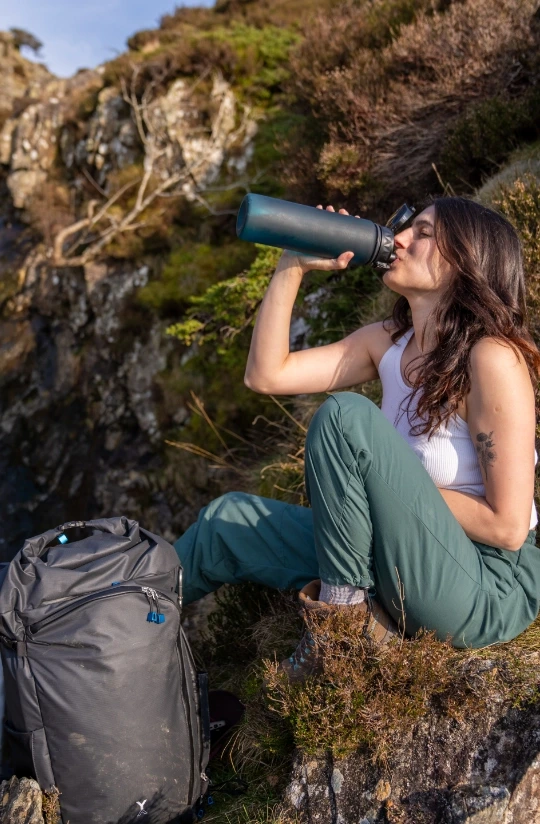
We’re proud to welcome James Stevens and Myrsini Chorianopoulou to the NYA-EVO ambassador family and share a little more about the people behind the lens.
Q: Tell us a bit about yourself and the kind of photography or filmmaking you
specialise in.
We’re Myrsini Chorianopoulou and James Stevens, co-founders of Cairn Media based in
the Scottish Highlands.
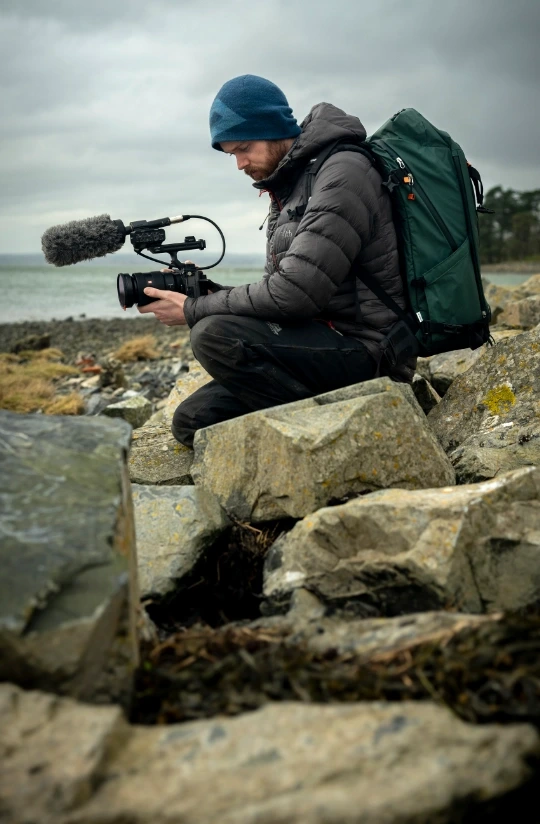
Myrsini works as a researcher and wildlife videographer, while James is a wildlife
videographer, and guide.
We formed Cairn Media a couple of years ago after both working in different roles within
the TV industry. We realised we shared a similar vision, we wanted to focus more on local
stories, especially within Scotland and the UK, and create work that explores the
relationship between people, nature and wildlife.
A lot of what we do is rooted in storytelling around wild places and the communities
connected to them. We try to stay as local as possible and reduce travel where we can.
Q: How long have you been working professionally behind the camera, and what first sparked your passion for photography?
Myrsini: I’ve been working professionally behind the camera for around five years now, although my connection to photography and filmmaking started much earlier. Growing up in Greece, though, the industry felt very inaccessible, and for a long time I didn’t think it was something I could realistically pursue professionally.
My own path into nature filmmaking was a bit less straightforward. I was very connected to nature as a child, but became quite disconnected from it for a long period of time. In my mid-20s, I realised I needed to return to something that genuinely grounded me, and that naturally led me back towards both nature and storytelling.
Eventually, that journey brought me into the natural history TV industry. I’m especially
drawn to slower, storytelling that encourages people to reconnect with the natural world.
James: I have been working behind the camera for over 10 years. My interest for photography and film came next after a life long passion for nature. From a very young age I was obsessed with anything that could creep, crawl, fly and swim, every moment outdoors looking for animals was an adventure! What prompted me to pick up a camera was seeing the Wildlife Photographer of the Year Award entries when I was around 10 years old and being amazed by what these photographers capture. And of course combined with watching Sir David Attenborough documentaries, I knew from that moment I wanted to become a wildlife filmmaker.
The journey to having a career behind the lens was slightly unorthodox having decided to live in my car after University and drive to the Scottish Highlands to surround myself in some of the wildest locations in the UK. It was in Scotland that I sunk my teeth into
filmmaking, and after pestering many TV producers, I eventually found myself working on natural history shows such as Springwatch.
Q: What’s been your most memorable shoot or adventure so far, and why does it stand out?
Myrsini: Honestly, some of the most memorable experiences are often the quieter ones close to home. Recently we spent an entire day observing beavers in the Highlands after a long Hike.
We stayed there for hours just quietly watching behaviour unfold naturally, surrounded by mountains and incredible scenery. Throughout the same day we also came across species like Slavonian grebes, and red-throated divers and it was one of those moments where everything felt connected.
Those slower days in nature where you’re fully present and simply observing are often
the experiences that stay with me the most.
James: Picking a highlight is really hard! In the UK I have had some epic encounters from lunge feeding minke whales, to conservation films releasing rare large blue butterflies. I find everything in nature fascinating… but to try and not give a boring answer I think my top shoot was filming orangutans in the wild in North Sumatra. Hearing the booming of an alpha male echo across the rainforest, to then seeing the male, a female and a baby, was truly unforgettable.
Q: What are the biggest challenges you usually face when looking for the right
camera bag for your work?
Myrsini: Reliability, comfort and adaptability are probably the biggest things for us.
We often spend entire days hiking with heavy gear in remote locations and difficult
weather conditions, so having something comfortable is absolutely essential. Good
organisation is also really important because wildlife filmmaking is very reactive ,
moments happen quickly and you need to be able to access gear immediately without
disturbing the environment around you.
Weather protection is another huge factor, especially working in Scotland where
conditions can change constantly throughout the day. We need something durable,
practical and adaptable enough to handle all of that.
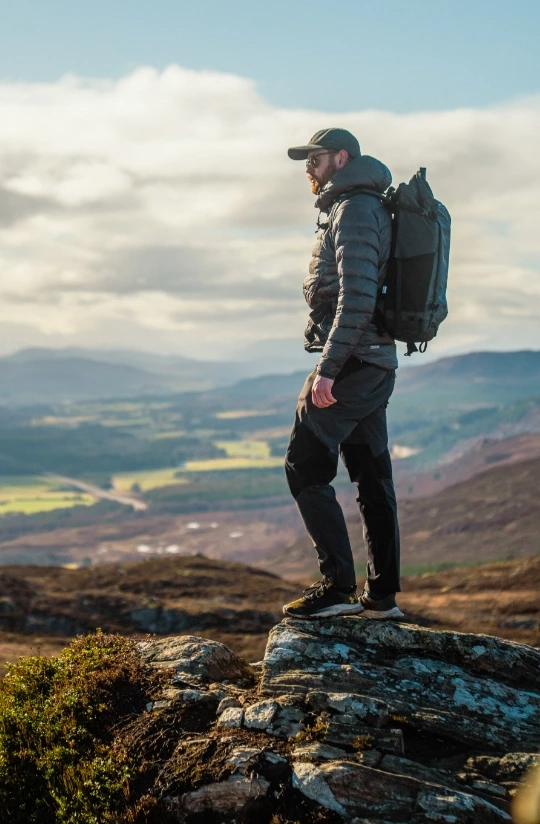
James: Size, comfort, and security! I have used so many backpacks, and carried some seriously heavy kit, it’s important that first and foremost the camera is safely packed away, and then I can carry it comfortably over tough terrain in various weather conditions.
I use some big lenses and also have lots of little pieces of kit, so having a bag that is multi-faceted, with lots of zips, straps, pockets and dividers helps keep everything safe, secure and organised.
Q: After spending time with the Gen 3 Fjord 60-C / Fjord 50-C and the L & XL RCIs, what features or details have stood out most to you in real-world use?
The first thing that stood out to us was how comfortable the bags are, especially during
long hikes carrying a lot of equipment. Even though we try to keep our setups as
lightweight as possible, wildlife filmmaking still involves carrying a significant amount of gear, so comfort makes a huge difference.We also really love how adaptable the system is.
Depending on the shoot, we’re constantly changing lenses, camera setups, drones and accessories, so being able to easily reconfigure the RCIs for different projects has been incredibly useful.
The durability in changing weather conditions has also really stood out. In Scotland you
can genuinely experience all four seasons in a single day, so having quick access to
waterproof covers and knowing the gear is protected gives a lot of confidence in the field.
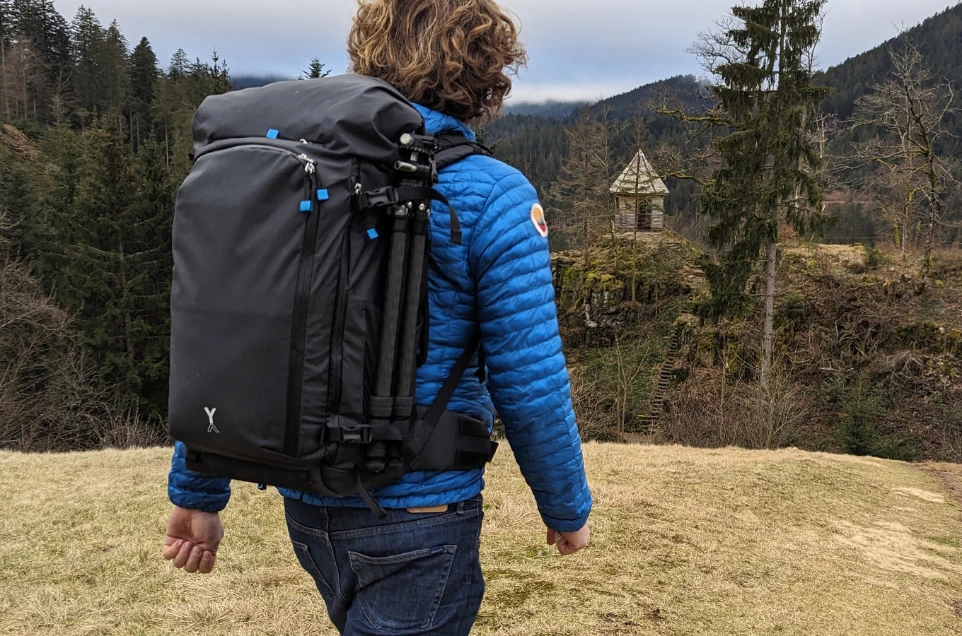
We also regularly carry drones and tripods, and the weight distribution has been
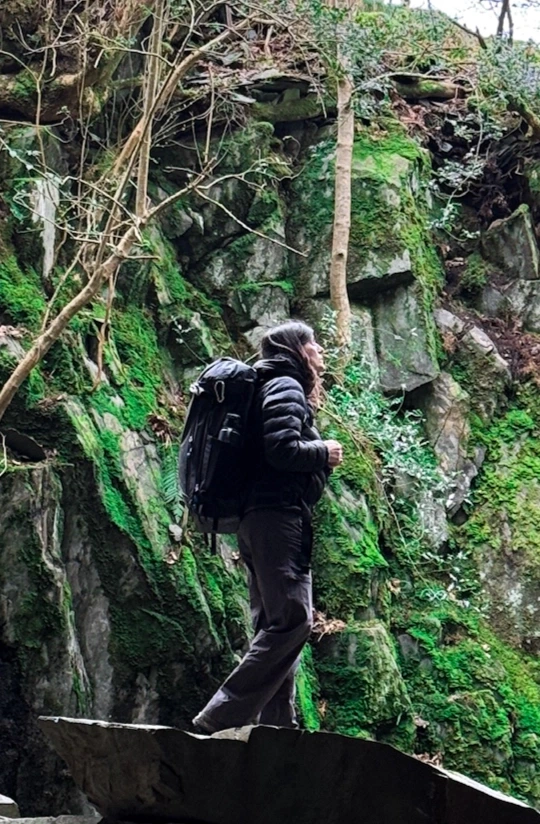
particularly impressive, especially for longer days outdoors. As someone much smaller
physically, I’ve personally found the bags extremely comfortable to carry over long
distances, which hasn’t always been my experience with camera bags in the past.